The Evolution and Impact of Smart Pressure Sensors in Modern Industrial Applications
The industrial landscape has undergone a remarkable transformation over the past two decades, driven significantly by advances in sensor technology. Among these innovations, smart pressure sensors have emerged as critical components across numerous sectors, fundamentally changing how industries monitor, control, and optimize their processes. Unlike their conventional counterparts, smart pressure sensors combine precision measurement capabilities with sophisticated data processing, wireless communication, and diagnostic features that enable unprecedented levels of operational efficiency and predictive maintenance.
Understanding the technological foundation of smart pressure sensors requires examining the integration of multiple advanced technologies into a single device. At the core of these sensors lies a traditional pressure-sensing element, typically a piezoresistive or capacitive transducer, which converts physical pressure into electrical signals. However, what distinguishes smart sensors is the incorporation of analog-to-digital converters, microprocessors, memory modules, and communication interfaces within the same housing. This integration allows the sensor to perform on-site signal conditioning, temperature compensation, and linearization, effectively eliminating many sources of error that plagued earlier generation devices.
The technical parameters of modern smart pressure sensors demonstrate the remarkable progress achieved in this field. Contemporary devices commonly offer pressure ranges spanning from minimal vacuum measurements up to extreme high-pressure applications exceeding 1000 bar. Accuracy specifications have improved substantially, with many industrial-grade sensors now achieving total error bands of less than 0.1% of full scale under compensated temperature ranges extending from minus forty degrees Celsius to eighty-five degrees Celsius. Response times have decreased to millisecond levels, enabling real-time process monitoring and rapid feedback control loops that were previously impossible with mechanical or analog instrumentation.
Communication protocols represent another area where smart pressure sensors have revolutionized industrial instrumentation. The emergence of digital bus systems such as HART, Foundation Fieldbus, PROFIBUS, and more recently, Ethernet-based protocols, has transformed sensor integration. These digital communication capabilities allow multiple sensors to share a single communication bus, reducing wiring complexity and installation costs while simultaneously enabling bidirectional data flow. Plant operators can now reconfigure sensor parameters, perform diagnostics, and update firmware remotely, eliminating the need for physical access to hazardous or difficult-to-reach locations.
The automotive industry provides an excellent example of Smart Pressure Sensor application at scale. Modern vehicles utilize numerous pressure sensors throughout their systems, from engine management and transmission control to tire pressure monitoring and brake system diagnostics. The smart pressure sensors employed in automotive applications must meet stringent requirements for reliability, durability, and cost-effectiveness while operating in challenging environments characterized by vibration, temperature extremes, and electromagnetic interference. The integration of these sensors with vehicle electronic control units enables sophisticated algorithms that optimize engine performance, improve fuel efficiency, and enhance passenger safety through features like electronic stability control and adaptive suspension systems.
The oil and gas sector represents perhaps the most demanding application environment for pressure sensing technology. Exploration, production, refining, and distribution operations all depend heavily on accurate pressure measurements to ensure safety, efficiency, and environmental compliance. Smart pressure sensors deployed in this industry must withstand corrosive media, extreme pressures often exceeding 700 bar, and temperatures that can surpass one hundred fifty degrees Celsius in downhole applications. The diagnostic capabilities of smart sensors prove particularly valuable in remote offshore platforms and unmanned installations, where the ability to perform health assessments and predict failures before they occur can prevent costly downtime and potentially catastrophic incidents.
Water and wastewater management systems increasingly rely on smart pressure sensors for level measurement, flow monitoring, and leak detection. Municipal water utilities deploy these sensors throughout distribution networks to monitor pipeline integrity, detect abnormal pressure variations that might indicate leaks or blockages, and optimize pump station operations. The remote communication capabilities of smart sensors enable real-time network monitoring from centralized control rooms, allowing utilities to respond quickly to developing situations and manage resources more effectively. Energy consumption in pumping operations can be reduced significantly through intelligent pressure monitoring that ensures equipment operates at optimal points while maintaining service quality.
The food and beverage processing industry presents unique challenges for pressure sensing, including strict hygiene requirements, cleaning-in-place procedures, and regulatory compliance. Smart pressure sensors designed for this sector feature sanitary fittings, materials compatible with food-grade applications, and enclosures rated for high-pressure washdown conditions. These sensors play essential roles in processes ranging from pasteurization and carbonation control to packaging operations, where they help ensure product quality and safety while meeting stringent regulatory requirements.
Environmental monitoring represents an emerging application area where smart pressure sensors contribute to sustainability goals. Atmospheric pressure measurements support weather forecasting and climate research, while specialized sensors deployed in environmental remediation projects monitor groundwater levels and soil moisture content. The low power consumption characteristics of many modern smart sensors enable deployment in remote locations powered by solar panels or batteries, expanding monitoring capabilities to areas previously inaccessible due to infrastructure limitations.
Looking toward future developments, the integration of artificial intelligence and machine learning algorithms with Smart Pressure Sensor platforms promises to deliver even more sophisticated capabilities. Predictive maintenance applications will benefit from sensors that can recognize patterns indicative of impending failures, while adaptive sensing algorithms will automatically optimize measurement parameters based on changing process conditions. The continued evolution of Internet of Things technologies will further expand the connectivity and data sharing capabilities of pressure sensors, enabling more comprehensive industrial ecosystems that leverage real-time information for continuous improvement.
The value proposition of smart pressure sensors ultimately rests on their ability to provide richer, more reliable, and more actionable information than traditional measurement approaches. By combining precision sensing with intelligent processing and seamless connectivity, these devices enable industries to achieve higher levels of operational excellence, regulatory compliance, and competitive advantage. As technology continues to advance, the role of smart pressure sensors in shaping efficient, safe, and sustainable industrial operations will only grow more significant.
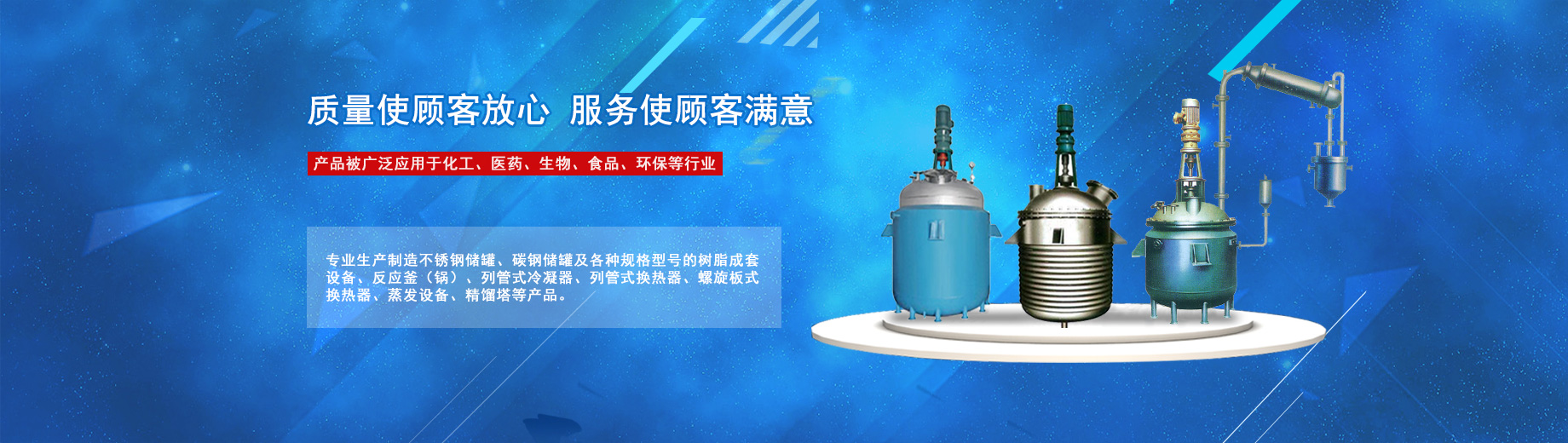
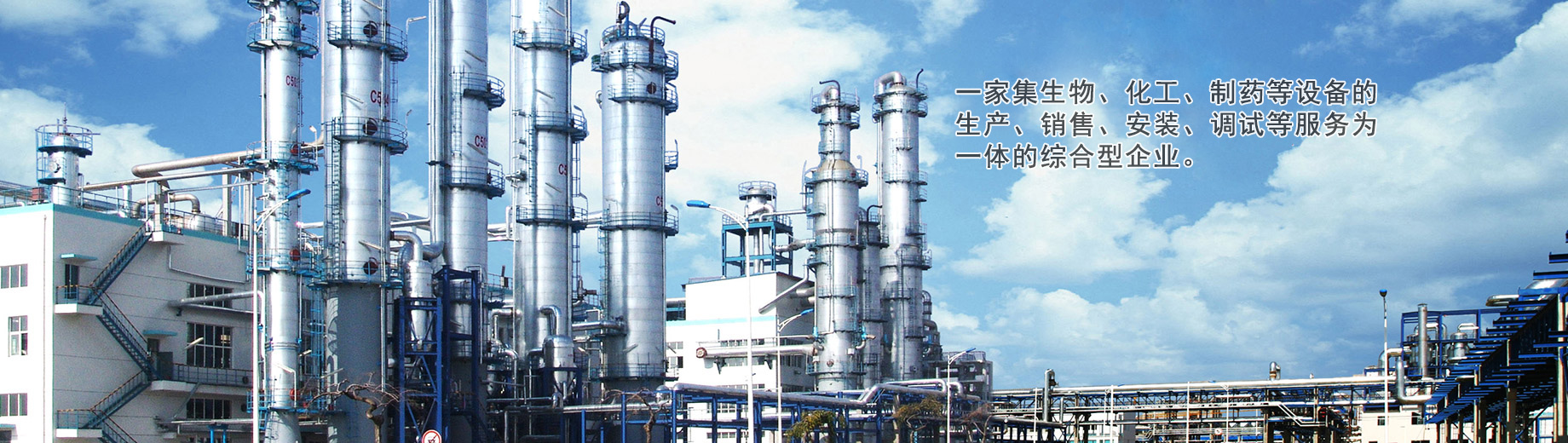
 Storage tanks and tower series