storage tank manufacturer_manufacturer_A comprehensive guide to selection, application and maintenance
Storage tanks are one of the most common storage equipment in the fields of industrial production, warehousing logistics and chemical industry. They are responsible for the safe storage and transfer of liquids, gases, solid particles and other materials. As the manufacturing industry upgrades and environmental protection requirements become stricter, the design, materials and functions of modern storage tanks are also constantly evolving. This article will systematically introduce the relevant knowledge of storage tanks to you from three aspects: storage tank classification, selection points, and maintenance.
1. Main classification of storage tanks
According to material classification, storage tanks are mainly divided into two categories: metal storage tanks and non-metal storage tanks. Metal storage tanks are represented by carbon steel storage tanks and stainless steel storage tanks. They have the characteristics of high strength, high temperature resistance, and strong pressure resistance. They are widely used in petroleum, chemical industry, food and beverage and other industries. Stainless steel storage tanks are favored in the fields of food, pharmaceuticals, pure water treatment and other fields due to their excellent corrosion resistance and hygienic performance.
Non-metal storage tanks include plastic storage tanks (polyethylene, polypropylene), fiberglass storage tanks, reinforced concrete storage tanks, etc. Plastic storage tanks are light in weight, corrosion-resistant, and low-cost, and are suitable for storing acid, alkali, salt solutions and some organic solvents; fiberglass storage tanks have high strength, corrosion resistance, and strong designability, and are often used in sewage treatment and environmental protection projects.
According to the structural form, storage tanks are divided into vertical storage tanks, horizontal storage tanks, spherical storage tanks and underground storage tanks. Vertical storage tanks occupy a small area and have large capacity, and are the most common type in chemical industry parks and oil depots; spherical storage tanks have excellent pressure resistance and are suitable for storing liquefied petroleum gas (LPG), liquid ammonia and other high-pressure gases.
2. How to choose the appropriate storage tank
When selecting a storage tank, you need to consider the following key factors:
Storage media:First, the physical and chemical properties of the stored materials must be clarified, including corrosiveness, viscosity, density, operating temperature and pressure, etc. For the storage of strong acids, corrosion-resistant alloy or carbon steel storage tanks lined with plastic should be used; for food-grade materials, stainless steel or food-grade plastic storage tanks that meet food safety standards must be used.
Capacity and dimensions:Determine the effective volume of the storage tank based on actual storage needs, taking into account on-site installation space, load-bearing capacity, and transportation restrictions. Large vertical storage tanks can reach tens of meters in diameter and have a volume of tens of thousands of cubic meters; small plastic storage tanks are easy to move and flexibly arranged.
Safety and environmental requirements:The design and construction of storage tanks must comply with national and industry safety standards, such asGB/T 150"Pressure Vessel",GB 50341"Petroleum depot design specifications" etc. For the storage of flammable, explosive, and toxic materials, safety facilities such as explosion-proof electrical, lightning protection grounding, and overflow cofferdams must be equipped.
3. Routine maintenance and inspection of storage tanks
The safe operation of storage tanks is inseparable from standardized daily maintenance. The appearance of the storage tank should be checked regularly for corrosion, deformation, and leakage; sediments and impurities on the inner and outer walls of the tank should be cleaned; non-destructive testing should be performed on key parts such as welds, flanges, and valves. For metal storage tanks, special attention should be paid to the integrity of the anti-corrosion coating on the outer wall and whether the cathodic protection system is functioning properly.
Although non-metallic storage tanks are corrosion-resistant, they also have problems such as aging, embrittlement, and ultraviolet degradation. Wall thickness changes and mechanical properties should be regularly tested. Plastic storage tanks should avoid long-term exposure to the sun and high temperature environments, and fiberglass storage tanks should pay attention to the integrity of the surface gel coat layer.
For storage tanks containing hazardous chemicals, safety assessments must be carried out regularly in accordance with the requirements of the "Regulations on the Safety Management of Hazardous Chemicals" and a complete storage tank file management system must be established.
Storage tanks may seem ordinary, but in fact they involve many professional fields such as material mechanics, anti-corrosion technology, and safety engineering. Choosing storage tanks well, using storage tanks well, and managing storage tanks well are important foundations for ensuring production safety and reducing operating costs. If you have any needs for storage tank procurement or technical selection, please feel free to contact us.
Official website:www.wxjianlida.com | Contact person: Manager Zhang | Telephone:138-xxxx-xxxx
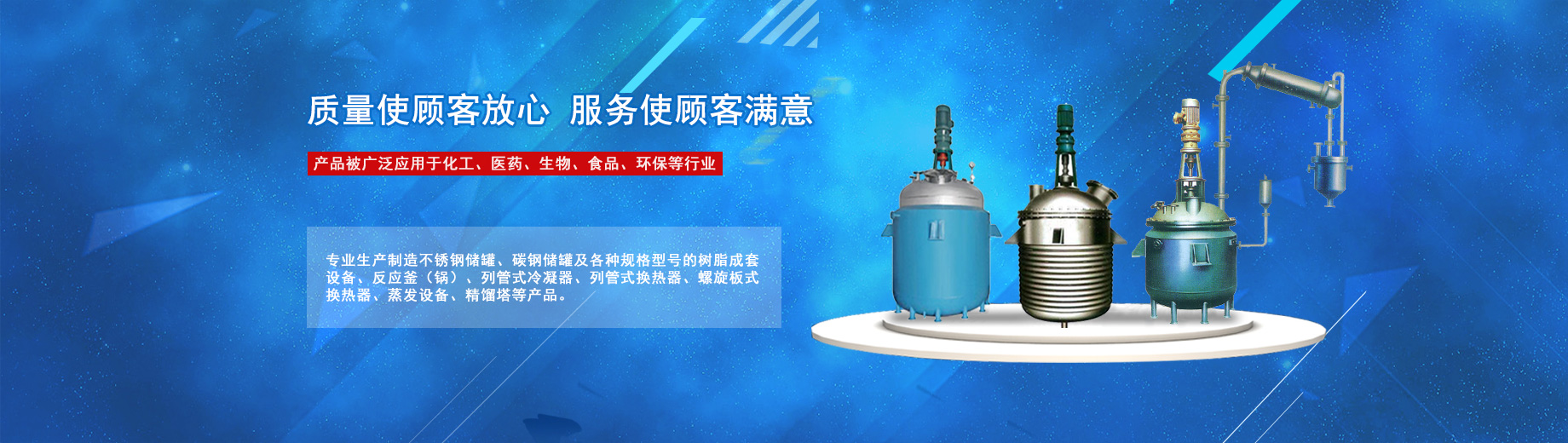
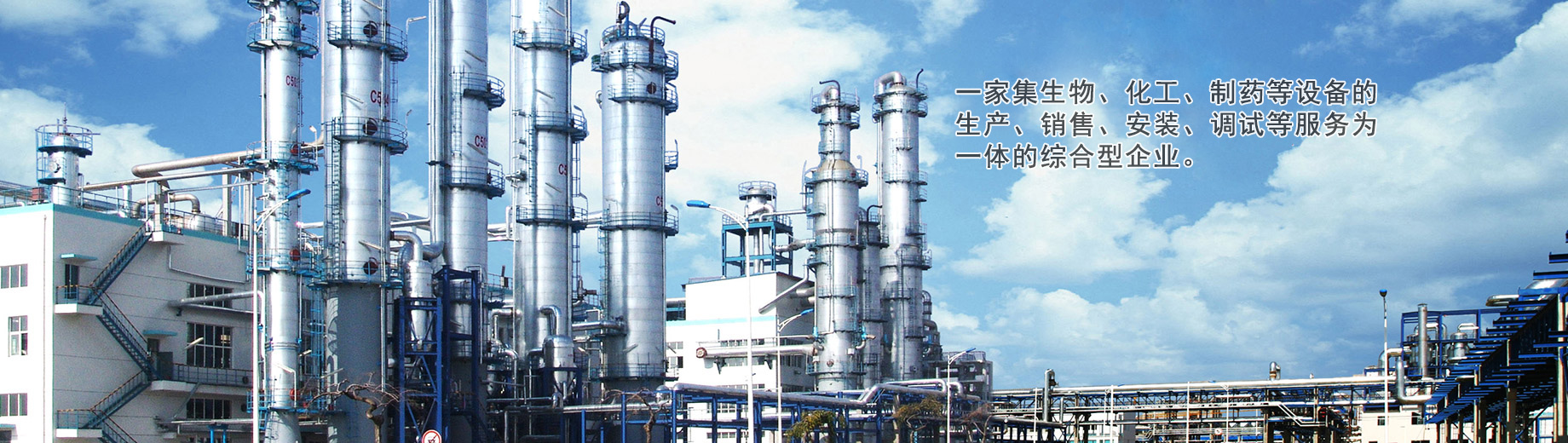
 Storage tanks and tower series