Tank Roof Installation, Commissioning And Troubleshooting: A Practical Guide
The roof of a storage tank is the part of the vessel that carries the highest consequence of failure. It defines the working pressure and vacuum behaviour of the whole tank, it is the first surface to be inspected after a fire or an overpressure event, and on a floating roof system it contains the moving components that wear during service. This guide covers how the main tank roof systems work, how they are installed and commissioned, and how the common faults are diagnosed and corrected in the field.
How A Tank Roof Works
A fixed tank roof does not move. It spans the shell and transfers the weight of the roof structure, any insulation, and the pressure load from the vapour space down into the shell. Because the vapour space is sealed except at the vents, small pressure differences between the tank and the atmosphere appear as an upward or downward load on the roof.
A floating roof tank works differently. The roof floats on the liquid, sealing the vapour space down to a small gap between the roof seal and the shell. Product vapour is trapped in the space between the floating roof and the fixed roof, so the storage tank acts as a buffer against the atmosphere and evaporation losses fall sharply. The floating roof itself carries the rain load, plus any foam layer that accumulates, and this load must be transferred through the roof legs and the seal assembly into the liquid, which is the reason floating roof shells are designed with more attention to the upper courses of plate.
Fixed Roof Types And Their Behaviour
The fixed roof families used on atmospheric storage tanks differ in load path, drain direction and cost. Cone roofs dominate because they drain inward to a centre vent, shed rain cleanly and push almost all of the roof load into the shell ring.
| Roof type | Structural form | Drainage behaviour | Vacuum sensitivity | Typical maintenance focus |
|---|
| Cone roof, welded steel | Radially framed plates sloping to a centre vent | Inward to centre, clean shedding, minimal ponding | Low, because vapour space is small above working level | Seam corrosion, coating breakdown, vent condition, centre fitting leaks |
| Dome roof, formed or welded | Spherical cap, usually with centre column support | Radial, collects towards the centre drain | Moderate, larger headspace than a cone roof | Drain path blockages, centre column seals, weld and attachment checks |
| Slope roof | Low pitch cone, usually draining to one side | Single direction towards a collection channel | Moderate, depends on the vapour space volume | Channel blockage, drain sumps, water accumulation on the low side |
| Pontoon or double-deck floating roof | Rigid deck with buoyancy compartments, seal at the shell | Rain drains from the fixed roof around the deck edge | Internal pressure is buffered, seal leakage matters more | Seal contact, roof leg condition, pontoon buoyancy and drain movement |
| Internal floating roof | Deck floats beneath a fixed roof, contact seal at the shell | Rain drains to the fixed roof annulus | Buffered, with vapour retained under the fixed roof | Seal wear, liquid level on the deck, foam accumulation, guide rails |
Installation Sequence And Site Preparation
Tank roof installation is a construction sequence problem as much as a welding problem. The shell must be complete, inspected and released before roof work starts, and the roof plates should be staged so that the erection crane can place them in the planned order without travelling over completed seams.
Weather and cleanliness have a direct effect on weld quality. Windblown grit contaminates the joint, rain causes porosity, and cold plate temperature combined with damp air produces condensation that delays the dry-out. Repainting and touch-up of the roof must follow welding, not precede it, and the touch-up system should match the parent coating in type and thickness rather than approximating it with a generic repair paint. Roof fittings, including vents, emergency relief devices and instrument connections, are installed after the main roof coating is complete so that welding damage to the coating is avoided.
Sealing, Gaskets And Leak Paths
On a fixed roof, most water ingress complaints originate at fittings rather than in the field seams. Common leak paths are the emergency relief device flange, the centre vent joint, manway covers, instrument flanges and the roof-to-shell angle connection. Gasket selection has to match the joint movement and the fluid.
On a floating roof the seal is the critical element. Contact seals rely on a flexible strip pressed against the shell by the buoyancy of the roof, and they depend on the shell being clean and reasonably vertical. Mechanical seals use a tensioned band with a mist eliminator and a weather shield, and they are less tolerant of a damaged shell surface. Either way the seal inspection interval is normally set by the fluid, because volatile or viscous products change the seal duty considerably.
Commissioning Checks Before First Fill
Commissioning a roof is the last chance to find problems while the tank is empty and accessible. A useful sequence starts with a visual walkdown of the finished roof surface, checking for coating damage, standing water traps, blocked drains and unauthorised penetrations. Then all vents and relief devices should be checked for free movement and correct orientation, and confirmed to discharge to a safe location.
The shell should then be inspected for settlement or out-of-round condition, since a deformed shell changes the behaviour of a floating roof seal and changes the roof clearances. If the tank has a floating roof, the guide rails and the roof legs should be checked for position, and the seal should be inspected for damage from handling. Finally, instruments are calibrated and the level system is proved against the manual gauge, and the vent and relief settings are recorded so that the as-built values are traceable. Filling should then be staged, with early levels checked for roof buoyancy response and for any unusual movement.
Troubleshooting Common Roof Faults
The table below groups the faults that appear most often in service and pairs each one with the checks that actually distinguish between causes. Diagnosis should start from the observation rather than from the part suspected, because several different failures produce a similar symptom.
| Observed symptom | Probable causes | Checks to perform | Typical corrective action |
|---|
| Water pooling on the roof surface | Blocked roof drains, blocked internal roof drains, uneven roof slope, debris in the drain path | Clear the drain sumps and outlets, confirm the slope by measurement, check for settlement | Clear and flush drains, restore local slope, repair the failed joint if the water entered the tank |
| Roof plate leaking onto the tank floor | Failed roof seam weld, corrosion perforation under the coating, mechanical damage | Dry the internals and inspect the roof from below, ultrasonic or dye penetrant testing of suspect seams | Cut out and reweld the defective seam or plate, prepare the surface and recoat to the specified system |
| Corrosion around a roof fitting | Coating failure under the flange, chloride or vapour attack, dissimilar metal contact | Remove the coating beneath the flange face, check for wet insulation or vapour condensation | Grind back to sound metal, apply the specified repair system, replace the gasket |
| Persistent vapour release at the vent | Undersized vent, blocked vent screen, mis-set relief device, excessive breathing | Measure the vent rated capacity against the required breathing rate, check screens and screens for fouling | Clean or replace the vent, reset the relief device to the calculated set pressure |
| Vacuum alarm in the tank | Blocked vent, excessive pump-out rate, contraction on cooling, wrong vent set pressure | Check vent free area and setting, compare the pump rate with the vent capacity, review the temperature case | Correct the vent setting, fit a vacuum relief device, or slow the transfer rate |
| Floating roof not rising or rising slowly | Seal friction, misaligned guide rails, liquid trapped in the pontoon, foam layer on the deck | Check the seal band and guide rail positions, sound the pontoon for trapped liquid, inspect the deck surface | Free the seal, realign guides, drain the pontoon, remove foam and reinstate the deck drain |
| Seal leak and product escaping at the shell | Worn seal band, out-of-round shell, debris in the seal groove | Measure shell roundness, inspect the seal contact face, check the weather shield | Replace the seal element, correct out-of-round areas, clean the shell band |
| Roof leaking during rain only | Gasket failure at a fitting, open manway cover, incomplete coating touch-up | Inspect fittings during dry weather, pressure test flanged joints | Replace gaskets, close and secure manways, complete coating repairs |
| Fire or heat exposure damage | Coating burn-off, plate distortion, damaged insulation, seal destruction | Full inspection with the tank emptied, plate thickness survey, dimensional check | Replace damaged plate and coating, verify the relief device and seal, requalify before refill |
Inspection And Maintenance Planning
A roof inspection programme should be risk-based rather than purely calendar-based. Fixed roofs on atmospheric tanks are usually inspected during every planned shutdown, with a walkdown from the roof and a check of the underside from the internal platform or ladder. Attention concentrates on coating breakdown, ponding areas, weld condition at fittings, and the condition of the vents.
Floating roofs need a different emphasis. Seal wear is tracked, roof legs are inspected for corrosion and deformation, and pontoon compartments are checked for trapped liquid, because a flooded pontoon changes the buoyancy and the roof may sit too low or lean. Drains and overflow fittings on the deck are checked regularly, and the guide rails are inspected for corrosion and obstruction. Where an internal floating roof is installed, the vapour space under the fixed roof is inspected separately, because condensation and corrosion in that space are easy to overlook and are a recognised cause of roof life reduction.
Working With The Roof During Operation
Two operating practices cause most of the avoidable roof damage. The first is working on the roof without adequate control of the vapour space, which exposes the coating to solvent vapour and creates a flammable atmosphere near a roof opening. The second is allowing a floating roof to sit for long periods at a level that submerges the vents, which pressurises the vapour space and defeats the purpose of the floating design.
Other practical points include keeping roof drains and vents clear of insulation and debris, using non-sparking tools when the product warrants it, and ensuring that any temporary work over the tank, such as scaffold or a crane lift, does not bear on the roof plates or the fittings. Modifications such as new nozzles, cable trays or insulation supports should never be drilled into the roof without a structural assessment, because a local penetration in a plate or a stiffener changes the load path of the whole roof.
Specification And Procurement Checklist
Conclusion
Tank roof performance is the combined result of the roof type, the vent and relief arrangement, the sealing detail and the quality of the installation work. Understanding how each system works makes the faults predictable: most roof problems in service trace back to blocked drains, failed gaskets at fittings, coating breakdown at wet areas, or seal and buoyancy issues on floating roofs.

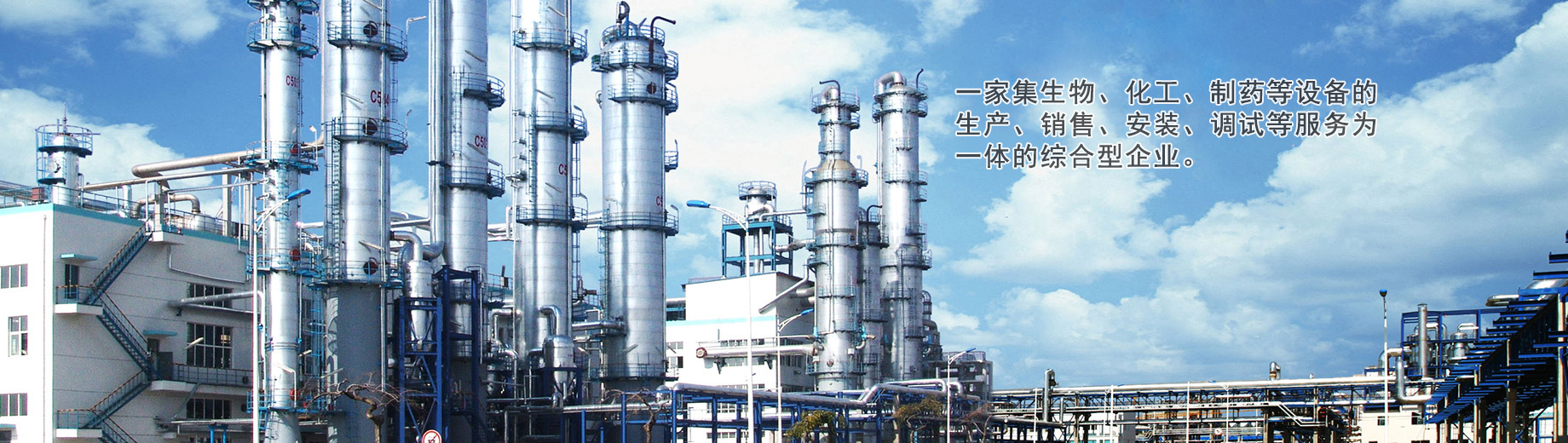
 Storage tanks and tower series