The Complete Guide to Bending Machines: Transforming Metal Fabrication Across Industries
The manufacturing landscape has evolved dramatically over the past few decades, with bending machines emerging as cornerstone equipment in metal fabrication operations worldwide. These versatile machines transform flat metal sheets and plates into complex three-dimensional components that form the backbone of countless products we encounter daily. From automotive chassis to architectural structures, bending machines enable manufacturers to achieve precise angular formations with remarkable consistency and efficiency. Understanding the capabilities, applications, and selection criteria for bending machinery has become essential knowledge for engineering professionals, production managers, and business owners seeking to optimize their fabrication operations.
Bending machines, commonly known as press brakes or folder brakes, operate on a fundamental principle that combines force application with controlled positioning to create permanent deformation in metalwork. The process involves forcing the material between a punch and die configuration, causing it to bend along a predetermined axis. Modern CNC-controlled bending machines have revolutionized this traditional metalworking method by introducing unprecedented levels of precision and repeatability that were previously unattainable with manual or hydraulic systems.
The technical specifications of contemporary bending machines reveal the impressive engineering that goes into these production workhorses. Press brake tonnage typically ranges from 50 tons for smaller fabrication shops handling thin-gauge materials to 3000 tons or more for heavy industrial applications processing thick structural steel. Maximum bending lengths vary accordingly, with standard models offering 1250mm to 4000mm working lengths, while specialized equipment can accommodate pieces exceeding 6000mm. Angle accuracy has become a critical performance metric, with modern machines achieving tolerances of ±0.5 degrees on complex multi-axis bends. Back gauge systems, which position the workpiece before each bend, now feature servo-driven repeatability of ±0.02mm, ensuring that each identical part emerges from the production process conforming to exact specifications.
The drive systems powering these machines have similarly advanced, with hybrid servo-hydraulic configurations offering the perfect balance between power delivery and energy efficiency. Servo motor power ratings typically range from 7.5kW to 30kW depending on the machine capacity, while hydraulic pressures can reach 250-320 bar during active bending operations. Stroke speeds, rapid approach velocities, and pressing speeds all contribute to overall cycle time, with high-performance models achieving approach speeds exceeding 200mm/s to minimize non-productive time between bends.
The automotive industry represents one of the most demanding applications for bending machine technology, requiring equipment capable of processing high-strength steel and aluminum alloys with consistent quality across millions of identical components. A leading tier-one automotive supplier recently implemented a fleet of 1600-ton CNC press brakes equipped with automatic tool changers and adaptive bending technology. These machines process safety-critical structural components including bumper reinforcements, chassis cross-members, and door intrusion beams. The supplier reported a 34% reduction in part rejection rates while simultaneously increasing production throughput by 27% compared to their previous equipment generation. Critical to this success was the machines' ability to maintain angle accuracy of ±0.3 degrees across varying material thicknesses and alloy compositions.
The construction and architectural sector presents equally challenging requirements, though of a different character. Fabricators producing structural steel components for commercial buildings and infrastructure projects must handle materials ranging from 3mm to 25mm thickness, often requiring multi-pass bending sequences to achieve complex profiles. One prominent steel fabrication company specializing in custom architectural metalwork invested in a 2200-ton press brake with 4000mm bending length to expand their capabilities for large-scale façade panels and decorative structural elements. The machine's dynamic crown compensation system proved essential for maintaining flatness across wide panels, while its ability to store over 10,000 tool combinations in the control system dramatically reduced setup times between different job orders. This investment enabled the company to secure contracts previously beyond their technical capacity, including supplying curved beam assemblies for a major airport terminal expansion project.
HVAC manufacturing provides another compelling application case, where bending machines produce ductwork components, housing enclosures, and mounting brackets with tight dimensional tolerances essential for proper system assembly. The relatively high production volumes in this sector demand equipment with fast cycle times and minimal maintenance requirements. Manufacturers have responded by specifying machines with modular tool clamping systems allowing tool changes in under 30 seconds, combined with preventive maintenance schedules designed for continuous operation across multiple shifts.
Selecting the appropriate Bending Machine for a specific application requires careful evaluation of multiple interconnected factors that will influence both immediate productivity and long-term return on investment. The first consideration involves analyzing the material specifications typically processed, including maximum thickness, minimum yield strength, and typical sheet or plate dimensions. These parameters directly determine the required tonnage capacity, bending length, and throat depth specifications necessary for successful operation. Engineers recommend maintaining a safety margin of approximately 20-25% above calculated tonnage requirements to account for material variations and to extend machine component lifespan.
Automation capabilities have become increasingly important differentiators among bending machine offerings. Automatic tool changers eliminate manual setup delays, while integrated material handling systems enable lights-out manufacturing for suitable production runs. Robots for loading and unloading workpieces can dramatically improve throughput while reducing operator fatigue and injury risk associated with handling heavy sheet materials. When evaluating automation options, decision-makers should calculate the payback period based on current labor costs, anticipated production volumes, and the complexity of typical job orders.
Energy efficiency merits particular attention given the substantial power consumption of bending operations. Variable displacement hydraulic pumps, servo-electric drive systems, and intelligent power management features can significantly reduce operating costs over the machine lifetime. Some manufacturers now offer energy recovery systems that capture regenerative power during deceleration cycles and return it to the facility electrical system.
Operator training and machine maintainability represent often-overlooked factors that substantially impact overall equipment effectiveness. Comprehensive training programs should cover both basic operation and advanced programming techniques to maximize equipment utilization. Similarly, selecting machines with accessible service points, diagnostic systems, and reasonable spare parts availability helps minimize unplanned downtime that can disrupt production schedules and damage customer relationships.
Bending machines continue to serve as essential production equipment across virtually every sector involving metal fabrication, from precision automotive components to massive architectural structures. The technological advances incorporated into modern equipment deliver measurable improvements in productivity, quality, and operational flexibility that directly impact competitive positioning. Manufacturers evaluating Bending Machine investments should approach the selection process holistically, considering not only headline specifications like tonnage and working length but also factors including automation potential, energy efficiency, and total cost of ownership. With proper equipment selection and operational practices, bending machines will continue enabling the transformation of raw materials into the products and structures that shape our built environment.
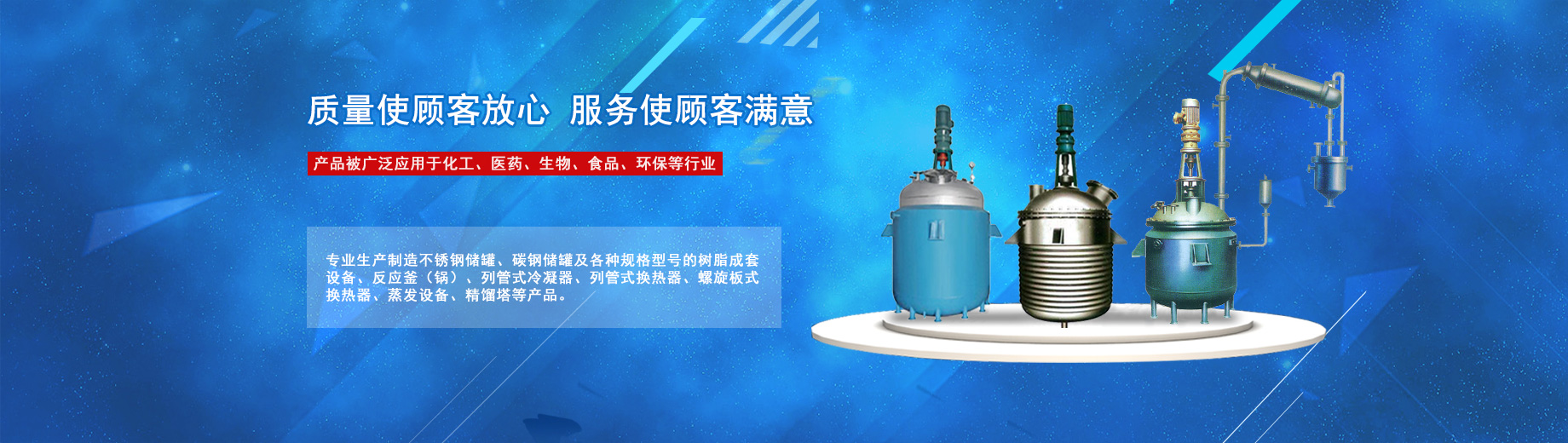
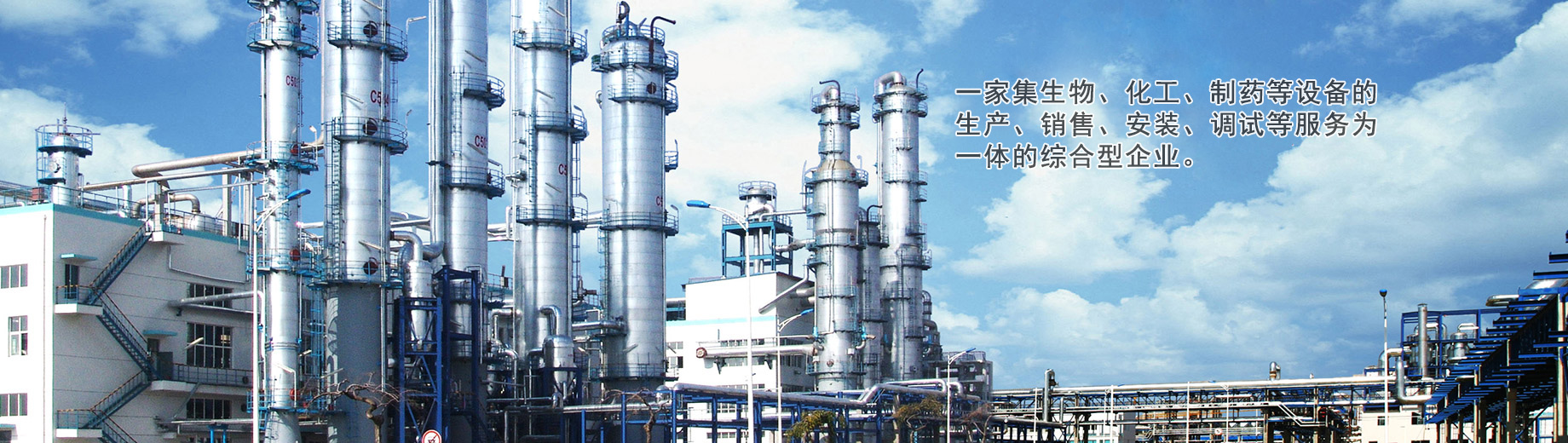
 Storage tanks and tower series