What you need to know about the application of anti-corrosion stainless steel storage tanks
Anti-corrosion work has a great impact on the use of stainless steel storage tanks, so attention should be paid to anti-corrosion work in industry. When using anti-corrosion stainless steel storage tanks, please pay attention to:
1. Anti-static facilities should be installed when anti-corrosion stainless steel storage tanks contain high-resistance organic solvents.
2, Anti-corrosion stainless steel storage tanks should avoid strong impact and collision on the equipment body during the installation process.
3. Since the material of the all-plastic flange is softer than the steel plate, the user should check the sealing performance of the storage tank installation before use. You can add liquid to observe whether there is leakage. Storage tanks containing chemical liquids should be tested for leaks with water to prevent losses.
4, Anti-corrosion stainless steel storage tank equipment is a normal temperature and normal pressure storage tank. The service temperature of steel-plastic composite storage tank is-40℃~98℃, the operating temperature of the polyethylene all-plastic storage tank is-40℃~60℃.
5. When storing chemicals in storage tanks, the stored items should be clearly marked..There should be good drainage trenches and dilution devices around the site where the storage tank is placed..
6, The perfusion and output of the equipment must open the vent to prevent the equipment from being damaged by pressure..
7The equipment installation and use environment should be far away from the source of the earthquake and avoid contact with open flames..
8. If there are joints or flange-connected pipes at the lower part of the stainless steel tank, they should be perpendicular to the barrel wall, and soft connections should be used to prevent uneven expansion of the upper and lower sides of the barrel wall after being filled with liquid, resulting in damage to the joint connection and leakage, and in severe cases, damage to the joints and barrel body..
9. When the liquid inlet is higher than the bottom of the tank, the liquid inlet should be bent toward the tank wall to allow the incoming liquid to fall along the tank wall to reduce the impact on the bottom..
10, Pipes and accessories connected to the equipment should prevent their weight from acting directly on the equipment..When lifting, the nozzles, manholes, etc. on the equipment must not be used as points of strength..
11. The pipes on the equipment should be sealed with acid-proof gaskets, and the gaskets should be replaced in time..
12, the installation, use and maintenance of equipment must be carried out in accordance with relevant national regulations..
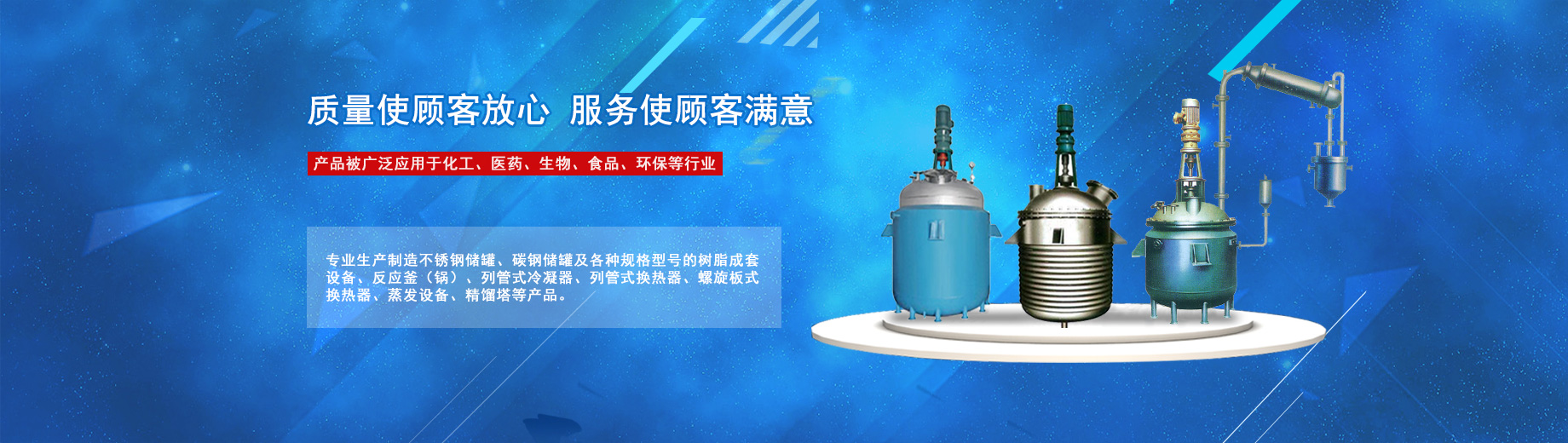
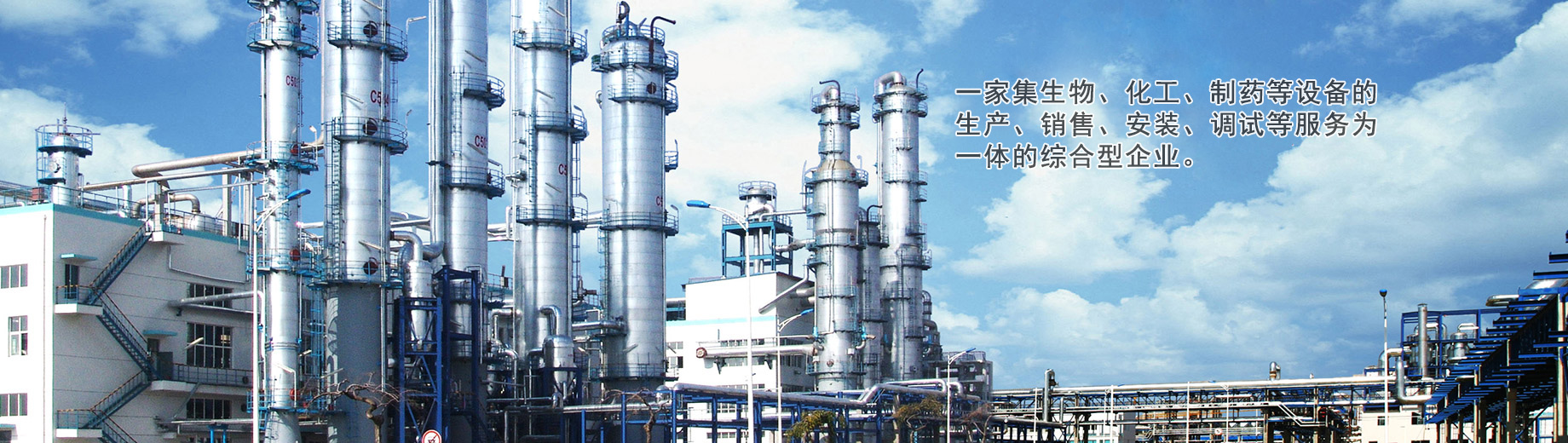
 Storage tanks and tower series