stainless steel tank——Safe and hygienic industrial storage tool
Stainless steel tanks are closed storage containers made of stainless steel as the main component. Due to their excellent corrosion resistance, good sealing performance and excellent hygienic quality, they are widely used in many industries such as food, medicine, chemicals, water treatment, brewing, and dairy. Compared with ordinary carbon steel tanks, stainless steel tanks have long service life, low maintenance costs, and good storage medium quality. They are indispensable equipment in the fields of high-end manufacturing and food safety.
1. Materials and classification of stainless steel tanks
Commonly used materials for stainless steel tanks are304,316LSuch as food grade and industrial grade stainless steel.304Stainless steel contains18%chromium,8%Nickel, resistant to oxidation,Corrosion-resistant, excellent overall performance, ideal for foodandMainstream choice for general chemical applications;316Lstainless steel extra2-3%Molybdenum, resistant to pitting corrosionandIt has stronger crevice corrosion ability and is especially suitable for the storage of materials containing chloride ions or acidic materials, such as salt water.,seawater,acetic acid,Lactic acid etc.
According to structural form, stainless steel tanks can be divided intoVertical stainless steel tankandHorizontal stainless steel tankTwo major categories.Vertical stainless steel tankSmall footprint,High space utilization in the height direction and easy mixing,Cleaning operation, fermentation tank,Mixing tank,The main form of milk storage tank;Horizontal stainless steel tankIt is suitable for ground installation and is mostly used for buffer storage.andScenarios that require liquid level observation.
two,The core advantages of stainless steel tanks
Excellent corrosion resistance:A dense chromium oxide passivation film is formed on the surface of stainless steel, which can effectively block the corrosion of the metal matrix by the medium. existpH 3-10within the range,304/316LStainless steels all exhibit excellent chemical stability.
Excellent hygienic performance:Stainless steel surface is smooth (RaThe value can be reached0.2μm),non-adsorbent media,Does not release harmful substances and fully meets food requirementsandpharmaceuticalGMPSpecification requirements. No residue remains after cleaning, especially suitable for products with high hygiene standards.
Good sealing performance:The closed design with silicone or polytetrafluoroethylene sealing ring can achieve zero leakage storage, especially suitable for volatile materials.andPreservation of anaerobic fermentation products.
three,Stainless steel tank selection and maintenance recommendations
When selecting, you need to focus on the operating temperature.andpressure range,Corrosive components of storage mediaandconcentration,required volumeandInstallation space,Do you need stirring or heating and cooling functions?,Whether it meets industry certification requirements (such asQS,FDA,EUstandards) etc.
In terms of daily maintenance, the weld area should be checked regularly for cracks or corrosion.,Is the sealing ring aging?,Check whether the jacket is leaking, etc. When chemical cleaning, neutral or weakly alkaline cleaning agents should be used to avoid highconcentrationSoak in chlorine-containing disinfectant for a long time.
Although stainless steel tanks are strong, they should also be protected from impact with hard objects.andLong-term no-load exposure. Tanks equipped with stirring devices should also regularly check the stirring shaft sealandBearing lubrication condition.
Official website:www.wxjianlida.com | Contact person: Manager Wang | Telephone:138-xxxx-xxxx
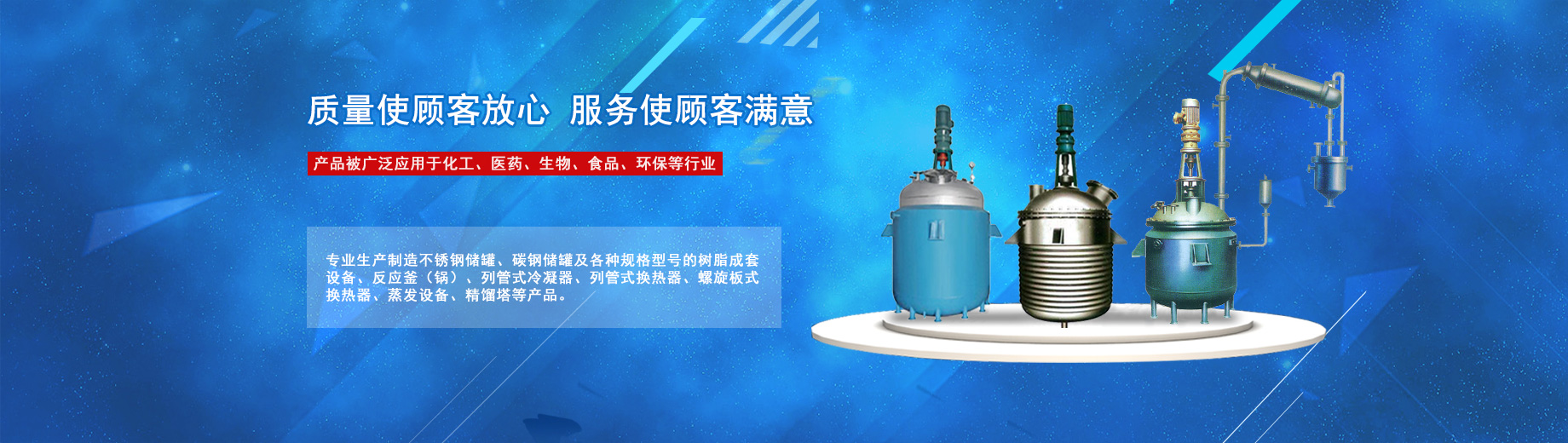
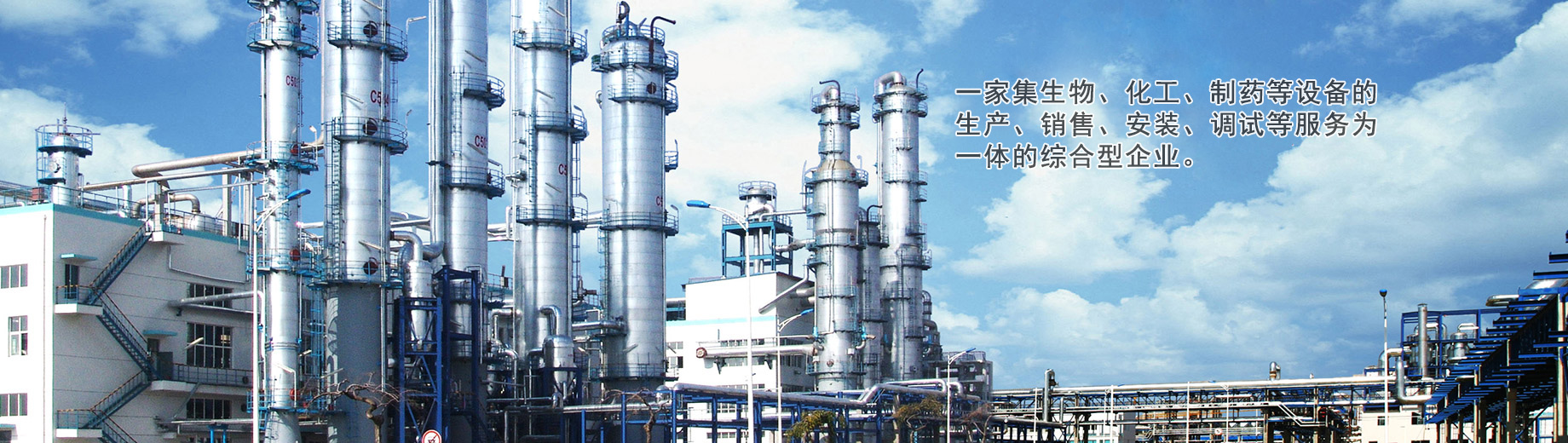
 Storage tanks and tower series