stainless steel oil tank——Storage solutions for the petrochemical industry
Stainless steel oil tanks are metal containers specially used to store various types of oil products (crude oil, diesel, gasoline, lubricants, chemical oils, etc.) and are made of high-quality stainless steel materials. Compared with traditional carbon steel oil tanks, stainless steel oil tanks have stronger corrosion resistance, longer service life and better oil quality assurance capabilities. They are widely used in the storage of high-end lubricants, special oils, food-grade white oil and some chemical solvents.
1. Application scenarios and advantages of stainless steel oil tanks
Stainless steel oil tanks are mainly used in: warehousing of lubricating oil production companies, storage of edible oil and food-grade grease, storage of special solvents in chemical companies, underground storage tanks of gas stations, and fuel storage systems of ships and aircraft, etc.
Corrosion resistance, quality assurance:Although oil products are not as corrosive as strong acids and alkalis, some oil products contain trace amounts of corrosive components such as sulfides and organic acids. Long-term storage will cause uniform corrosion or pitting corrosion and perforation of ordinary carbon steel tanks. Stainless steel oil tanks can effectively resist such trace corrosion, ensure the purity of the oil, and avoid blackening and deterioration of the oil caused by rust pollution.
Health and safety:When it comes to storing cooking oils and food-grade greases, stainless steel tanks are the only compliant option.GB/T 13354The "Rules for Determining the Quality of Edible Oil Storage" clearly requires that oil storage tanks must be made of stainless steel or other food-grade materials.
2. Design points of stainless steel oil tanks
Tank material:Generally used304Stainless steel, suitable for sour crude oil or acidic oils316LStainless steel. The wall thickness of the tank is determined based on the design pressure and volume calculations. The wall thickness of large oil tanks can be up to8-12mm.
Lightning protection and anti-static:Oil storage involves flammable and explosive risks. Stainless steel oil tanks must be well grounded and equipped with lightning protection and anti-static grounding devices. The grounding resistance should not be greater than10Ω.
Breathing valve and pressure relief device:Oil will expand in volume when the temperature changes. The breathing valve can balance the pressure inside and outside the tank to prevent overpressure rupture or negative pressure deformation..
Insulation and heating:For high-viscosity oils (such as heavy oil, asphalt) or specialty oils that need to be stored in a specific temperature range, stainless steel tanks can be equipped with insulation and steam/Thermal oil heating jacket.
3. Daily management of stainless steel oil tanks
Strict cleanliness inspections and pressure tests are required before oil tanks are put into use..During operation, the moisture and impurity deposition at the bottom of the tank should be regularly detected, and drainage and desilting should be carried out in a timely manner; changes in wall thickness should be detected regularly; and the opening and closing flexibility of the breathing valve should be checked..
Stainless steel oil tanks that have been out of service for a long time should be sealed with nitrogen to prevent air and moisture from entering and accelerating oxidation and corrosion..Establishing a scientific oil tank management system and equipped with complete monitoring instruments are the keys to ensuring the safety of oil storage..
Official website:www.wxjianlida.com | Contact person: Manager Zhao | Telephone:138-xxxx-xxxx

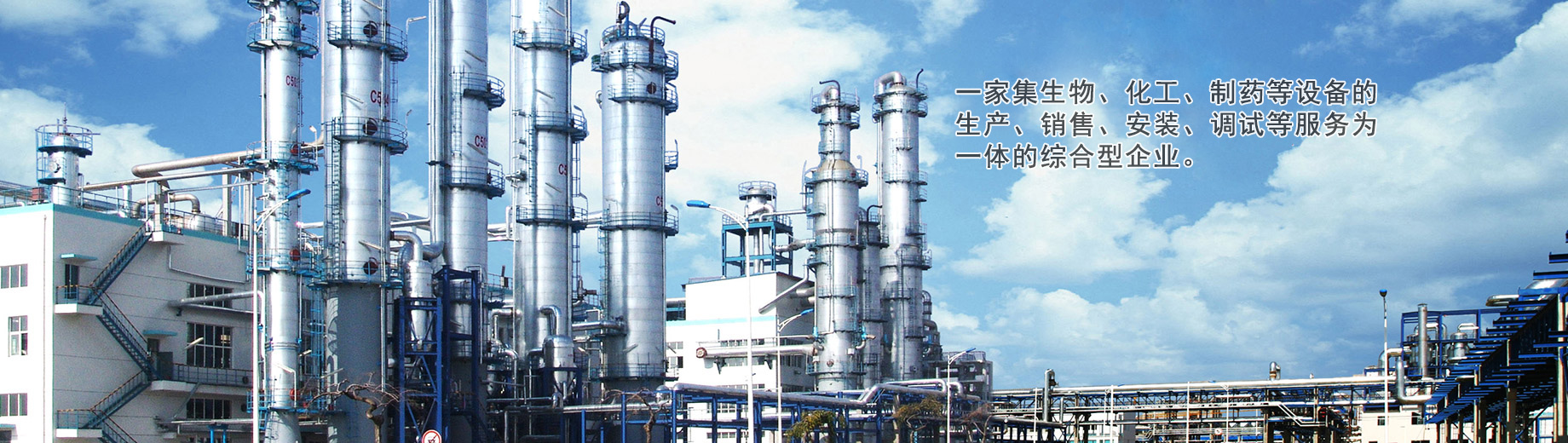
 Storage tanks and tower series