Storage Tank Types: A Practical Guide To Choosing The Right Vessel
What A Storage Tank Actually Does
A storage tank is a pressure boundary that gives a liquid somewhere to live between production and use. It must hold the product without leaking or contaminating it, accept a specified volume, hold a controlled temperature, release product at a controlled rate, and show the operator how much is inside without opening it.
Most selection mistakes happen before anyone discusses steel thickness. They come from treating a tank as a generic vessel rather than a system with a product, a duty cycle and a site. The tank that suits 20 cubic metres of hot caustic is usually wrong for 200 cubic metres of cold vegetable oil.
The Main Tank Families
Tank covers several geometries, each with its own sweet spot in capacity, footprint and duty.
| Family | Capacity | Geometry | Best suited to | Main limitation |
|---|
| Vertical cylindrical atmospheric | 1 to 1000 cubic metres | Upright cylinder, flat or conical base | Bulk storage of water, oil, chemicals | Large floor area per unit volume |
| Vertical pressure or vacuum | 0.5 to 100 cubic metres | Sealed vessel with pressure relief | Vapour pressure control, solvents | Cost and code compliance burden |
| Horizontal | 0.5 to 50 cubic metres | Cylinder on saddles | Small batches, higher pressure | More ground area per cubic metre |
| Cone-bottom and IBC-style | 0.2 to 5 cubic metres | Vertical shell, conical bottom | Liquids needing complete drainage | Not economical above a few cubic metres |
Vertical atmospheric tanks dominate bulk storage because they use the least ground area per cubic metre and are the easiest to erect. Horizontal tanks trade footprint for a smaller diameter at the same volume. Cone-bottom vessels drain cleanly, which matters when you change products or cannot tolerate heel.
Roof Configurations And Insulation
Once the body is chosen, the roof and thermal design follow from what the liquid does while it sits there.
| Roof type | Behaviour | Typical application | Watch out for |
|---|
| Fixed roof | Static, conical or domed, vented to atmosphere | Process tanks, non-flammable products | Vapour loss and pressure build-up when filling |
| Floating roof | Roof rises and falls with the liquid level | Volatile flammables such as petrol | Seal and drain upkeep |
Insulation is a separate decision. It holds temperature, reduces condensation on cold tanks and limits solar gain outdoors. But insulating a heated tank adds an inspection burden: cladding, jacketing, and the risk of water behind the insulation corroding the shell it hides. An insulated tank with a proper drain and visible skin is fine; an uninspectable one is a liability.
Material Selection
Material is where money and risk sit. Match the alloy to the chemical, the temperature and the contamination tolerance, then check the whole wetted surface, not just the shell.
| Material | Typical product | Strengths | Limitations |
|---|
| Carbon steel | Water, crude oil, fuel oil, benign liquids | Lowest cost per cubic metre, easy to weld | Corrodes with acids, salt water, some solvents |
| Stainless steel, 304 or 316L | Food, beverage, pharma, mild corrosion | Corrosion resistant, hygienic, easy to clean | Higher cost, slower welding, specialist work |
| FRP, PP and PE | Acids, alkalis, wastewater, some solvents | Lightweight, no rust, good chemical resistance | Limited design temperature, UV sensitive |
Choosing Between Stainless Steel, Carbon Steel And FRP
Carbon steel wins when the product is benign and the volume is large, and lined carbon steel often beats stainless on cost while handling moderately aggressive media. Stainless wins on cleanability and wherever contamination has commercial consequences. FRP and thermoplastics win on chemical resistance and weight, but check the design temperature and UV exposure for the specific resin, since those vary widely. Never accept a generic compatibility statement; ask which concentration and temperature it covers.
Matching Tank Type To Product And Duty
Water, Oils, Fuels And Solvents
Water is the simplest case: carbon steel with an internal coating, or stainless where the water is potable, deionised, or contacts a product. Oils and fuels raise a thermal question, since a heated fuel oil tank must be insulated and its heating system sized for the duty and fill rate. Solvents are the opposite, being volatile, so they need venting, a floating roof or a pressure-vacuum vent, and often nitrogen blanketing to keep vapour below the explosive limit.
Food, Pharma And Aggressive Chemicals
Food and pharmaceutical service brings documentation and geometry requirements. A stainless tank in a food plant usually needs controlled drainability, a specified internal surface finish, defined nozzle orientations for clean-in-place, and a layout with no dead legs. Aggressive chemicals are the opposite trade: the material carries the corrosion allowance, and the geometry changes to keep liquid out of welds and crevices. For acid service, consider a lined carbon steel tank or an FRP vessel, and confirm whether dilution at the nozzle is acceptable.
Design Vocabulary You Will See On The Data Sheet
Most vendors quote a diameter and a length, and buyers compare those two numbers directly. That comparison is often meaningless, because diameter and length describe the shell rather than the tank. A vertical tank's capacity is set by diameter and straight shell height, with the roof and bottom adding or subtracting further volume. What matters is working volume: the shell volume adjusted for roof and bottom, less what you cannot draw out.
Other terms matter too. Design pressure and design temperature set shell and head thickness and decide which design code applies. Venting is a required safety function, not an accessory to be dropped to save money. Agitation means top, side or bottom mounted, and needs baffles if the product would spin into a vortex. Nozzle count, size and orientation set your piping layout, and are hard to change after fabrication.
Installation, Footprint And Access
The tank has to be installed, filled, emptied, cleaned, inspected and eventually removed, and those requirements set the real footprint. A vertical tank needs a foundation for its filled weight and, in most jurisdictions, a bund sized for the largest vessel plus a margin. A horizontal tank takes roughly the same floor length but needs access at both ends for cleaning. Cone-bottom vessels need a pit or platform for the cone.
Access matters. If the manway is on the roof, you need a working platform and a safe route to it. If the tank will be cleaned mechanically, the shell needs an unobstructed zone around it. If it goes inside a building, check the door height, crane path and floor loading before fabrication, because a tank that cannot enter is costly.
When A Bigger Tank Is Not Better
A larger vessel is not automatically more economical. Bigger means a heavier foundation, a taller shell carrying more wind load, a larger platform, a bigger bund, more insulation surface and more capital tied up in product sitting idle.
Sometimes bigger is still wrong for the duty. A very tall, narrow tank is awkward to mix and hard to clean, while a very wide one needs a stronger roof and a wider foundation. If the product changes often, several smaller tanks that can be dedicated and cleaned quickly may serve the plant better than one large tank washed between campaigns. Buying on price per cubic metre ignores half the real cost.
Frequently Asked Questions
How do I calculate the size of storage tank I need?
Work from your real inventory behaviour, not an average. Take the maximum quantity held between production and consumption, add the reserve volume you want, then allow for sampling and for the fact that you cannot empty a cone-bottom tank completely. Divide by roughly 0.9 for ullage space and geometry, then check the result physically: can the pump deliver product at the rate you need, and draw it back out on run-down?
Which material should I use for a specific liquid?
Base the decision on the liquid at its operating concentration and temperature, not on the product name. Give the manufacturer the chemical name, concentration range, specific gravity, operating temperature and any contaminants, and ask for the compatibility basis they used. If the liquid is a blend or changes over the campaign, specify the worst case. Also check gaskets, level hardware and seal material, which often decide installation life.
What should I check before accepting a tank at delivery?
Check the nameplate against the order for design pressure, design temperature, volume, material and the applicable design code. Inspect the exterior for weld spatter, undercut, dimensional deviation and coating damage, and confirm every nozzle is present, blanked where required and correctly oriented. Check that drains are clear, that baffles and the agitator shaft turn freely, and that vents are clear. Then run a hydrostatic or fill test and record the result.
Should I buy a standard tank or a custom one?
Standard is better when the duty is ordinary: water, diesel, general lubricants, and volumes where the shell sizes and fittings the fabricator already holds will work. Custom pays when the vessel must do something specific, such as draining a viscous product, holding a design pressure, meeting hygienic cleaning requirements, fitting a tight layout, or carrying a particular nozzle arrangement. It also adds review time and cost, so justify it by need.

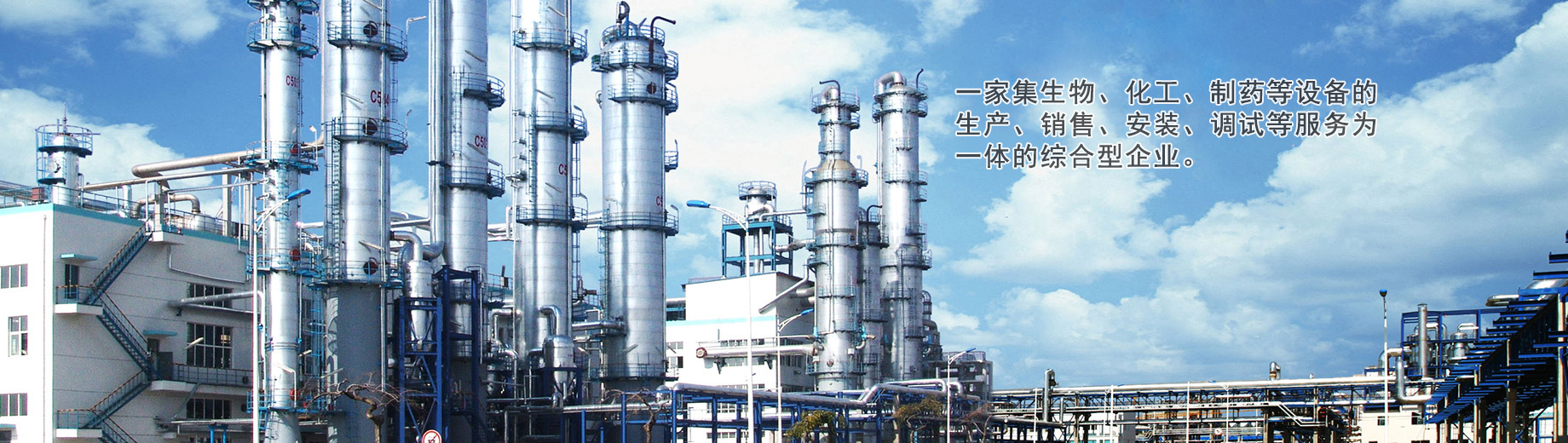
 Storage tanks and tower series