Storage Tank Maintenance And Inspection: A Routine For Facility Teams
Why Preventive Care Beats Emergency Repair
A storage tank is a boundary holding volume, weight and often heat. When it fails, the bill is never just the steel. It is lost product, contaminated batches, an unscheduled shutdown, cleanup and, in the worst case, an injury. Many of those outcomes trace back to a defect visible on a walkdown months earlier: a weeping seam, a coating blister under insulation, a thinned nozzle neck, a blinded vent filter.
Routine inspection turns an unpredictable loss into a scheduled repair. It is cheap, but it must be written down, assigned to roles, and repeated at intervals matching the tank's service.
Setting A Realistic Inspection Cadence
Cadence should follow duty, not habit. A tank that cycles temperature, holds corrosive product or sits on a coastal site needs more attention than a static tank holding clean water at ambient temperature. Tighten the intervals below when service changes.
| Interval | Focus | Typical checks |
|---|
| Each shift | Leak and duty | Level matches expectation, no weeping at seams or nozzles, vent path clear |
| Weekly | Surface condition | Shell walk for rust staining, blisters, damaged insulation, blocked vents |
| Monthly | Detailed external | Coating and touch-up, supports and foundation, gaskets, flanges, access gear |
| Annually | In-depth survey | Wall thickness at critical points, internal inspection, weld check, relief devices |
| Three to five years | Full assessment | Corrosion survey, foundation survey, coating review, register update |
Two rules make the schedule work. Log who performs each check and record the result even when nothing was found. Define in advance what triggers escalation: any weeping from a seam, a visible bulge, or a level reading that disagrees with the sight glass.
What A Visual Inspection Actually Covers
Shell, welds and seams
Walk the full circumference, not only the accessible side. Look for paint bubbling, rust staining running down from a seam, and distortion around a course of welds. Weeping is the signal that matters: a wet streak, a mineral deposit or a dried salt line all mean liquid is getting through. Tap the shell for hollow areas and check for corrosion under insulation cladding.
Roof, vent and nozzles
On a fixed roof, look for ponding, rust and damaged roof insulation. Confirm the vent is open and the flame arrestor mesh is clean. Check nozzle flanges for gasket leakage, bolting corrosion and misalignment, and check the manway cover, its gasket and the bolts. On floating roofs, examine the seal and the roof edge gap.
Supports, foundation and access
Confirm the tank sits level and that skirt drains are open. Look for foundation cracking or settlement around the base ring, and for corrosion where the shell meets the support. Check the ladder, cage and platform for structural damage, since access equipment is a frequent source of falls.
Internal Inspection And Cleaning
Product changeover and residues
Before opening or entering a tank, establish what was in it, what is going in, and whether the two are compatible. Residues from the previous batch cause contamination and off-spec product, and sometimes a reaction hazard. Confirm drainability and whether heel product remains in the bottom or internal coils.
Internal work is confined space work: a permit, isolation of all energy sources including lines that could siphon, ventilation, and a documented gas test before entry and during it. Test for oxygen deficiency, flammability and vapour specific to the previous product. People have died in tanks that were washed out but never ventilated, and in tanks where a supply line was still open.
Manual cleaning suits small tanks, complex internals and anywhere CIP cannot reach. CIP, circulating or spraying solution through a loop, suits large tanks with simple geometry and is much faster, but it needs a compatibility check, temperature control and a documented rinse step. Inspect the surface afterwards, because cleaning removes the evidence of a defect.
Corrosion, Coating And Liners
The coating system is the first line of defence against corrosion and the easiest element to degrade unnoticed. Common systems include epoxy, phenolic, vinyl ester, polyurethane and rubber linings, each with different chemical and temperature limits. Know which one is on the tank and what the product actually is, because water, acids, solvents and brines attack different systems.
Small coating failures are cheap to fix: scrape back to sound metal, feather the edges, apply the matching repair system at the specified film thickness. Larger failed areas over corroded steel are no longer a coating repair, and treating them as one is an expensive mistake. Where the design relies on a lining, treat it as a component with a life of its own, checking for blistering, lifting, pinholes and blocked drains.
Cathodic protection helps only tanks with an impressed current or sacrificial anode system, and only where the electrolyte reaches the shell. It does nothing for internal corrosion, nothing above the water line, and nothing for an electrically isolated tank.
Instruments, Relief Devices And Leak Detection
Instruments fail quietly. Compare the level gauge against a sight glass or manual dip at different fill heights and confirm the transmitter zero and span match the tank geometry. Verify calibration against a traceable reference and record the as-found error, because a drifting transmitter is a false reading.
Check pressure and vacuum relief devices for correct set pressure, free movement, and a discharge path that is clear and does not discharge onto a walkway. Vent filters and flame arrestors clog with dust, product vapour or polymer fines, and a blinded vent becomes a pressure excursion. Check agitation seals and mechanical seal faces for leakage.
Records, Repair Decisions And Turnaround Planning
A tank register is the foundation of everything else. For each tank hold the design data, materials of construction, weld and examination records, coating specification, liner type, nozzle schedule, weight and fill limits, maximum working pressure, inspection history and thickness readings.
Write the wall thickness limits down rather than judging them on the spot. Compare measured minimum thickness against the lesser of the original thickness less an allowable corrosion allowance and the minimum allowable thickness from a code calculation. Record readings at the same marked locations each time.
| Defect or condition | Likely cause | Action |
|---|
| Uniform wall loss | Long-term internal corrosion | Continue in service, resurvey next interval |
| Localized pitting | Product hold-up or dead legs | Excavate and weld repair, or plate reinforcement |
| Thinning near a weld or nozzle | Turbulence at a discontinuity | Fitness-for-service evaluation or replacement |
| Base or support corrosion | Water trapped under insulation | Structural assessment and repair |
| Weeping seam or blistered coating | Coating breakdown and moisture ingress | Active defect: repair and re-inspect |
Decide repair versus replacement while the tank is still in service and the facts are cheap. A tank repaired repeatedly in the same area, far advanced in its design life, or carrying a product the lining cannot handle, is a replacement candidate. Once the shell has gone, roof, nozzles and foundation follow it up the cost curve.
Rules Tank Owners Should Never Break
- Never modify a weld, nozzle, manway or shell opening without a written procedure and a qualified welder.
- Never mix incompatible products in one tank, and never leave incompatible residues behind.
- Never ignore a weeping seam, a bulge or a persistent damp patch; these are early failure indicators.
- Never enter a tank without a permit, isolation, ventilation and a gas test.
- Never weld or grind near a tank holding flammable vapour without a hot work permit and gas monitoring.
- Never exceed the fill limit, and never use compressed air to push product into a tank.
- Never skip the record; an unreported defect cannot be trended or defended later.
Frequently Asked Questions
How often should a storage tank be inspected?
Every tank should have at least a shift-level leak and level check, a weekly external walkdown, a monthly detailed external inspection, an annual survey including thickness measurement, and a full internal assessment every three to five years or whenever the product changes.
How do I know if a tank needs replacing rather than repair?
Compare measured wall thickness against your written allowable minimum and look at the pattern of the damage. Repair suits localized pitting or a single damaged area on an otherwise sound shell. Replacement becomes sensible when corrosion is general and widespread, the same area has been repaired several times, or shell, roof and nozzles all need work.
How do you clean a storage tank safely and limit corrosion?
Treat cleaning as both confined space work and product changeover work: confirm what the tank held, isolate every line and energy source, ventilate, and gas test before entry. Match the method to the tank, using CIP for large tanks with simple geometry and manual cleaning for complex internals. Verify the cleaning chemistry is compatible with shell, lining and gasket materials.
Is a formal tank inspection report required?
Requirements depend on the jurisdiction, the substance stored and whether the tank exceeds a regulated threshold. Most sites still need a documented register and inspection log even where no external report is mandated, and code rules may call for certified or third-party inspection.

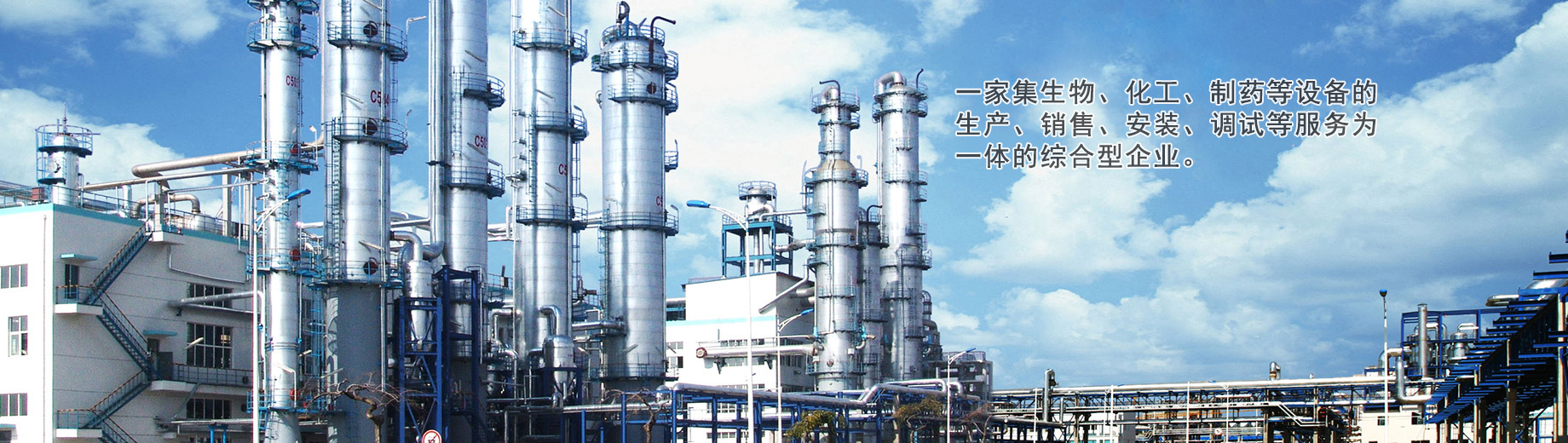
 Storage tanks and tower series