 Storage tanks and tower series
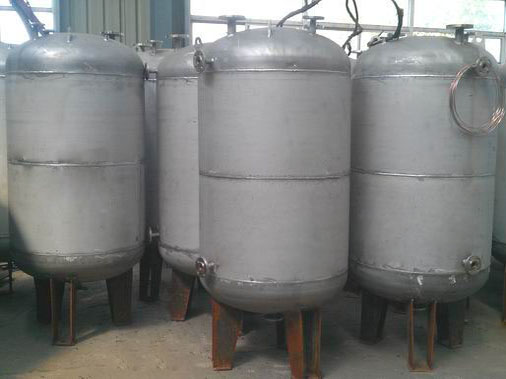
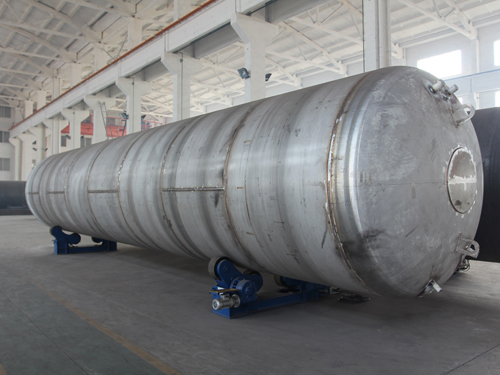
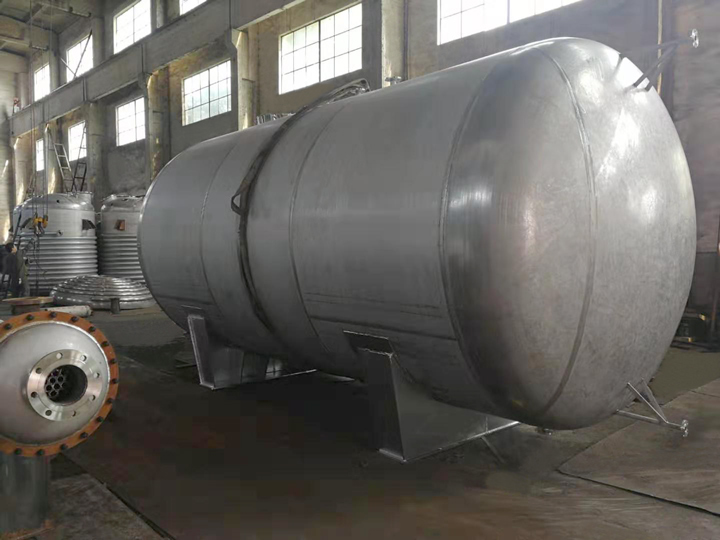
- stainless steel storage tank
- carbon steel storage tank
- Stainless steel carbon steel storage tank
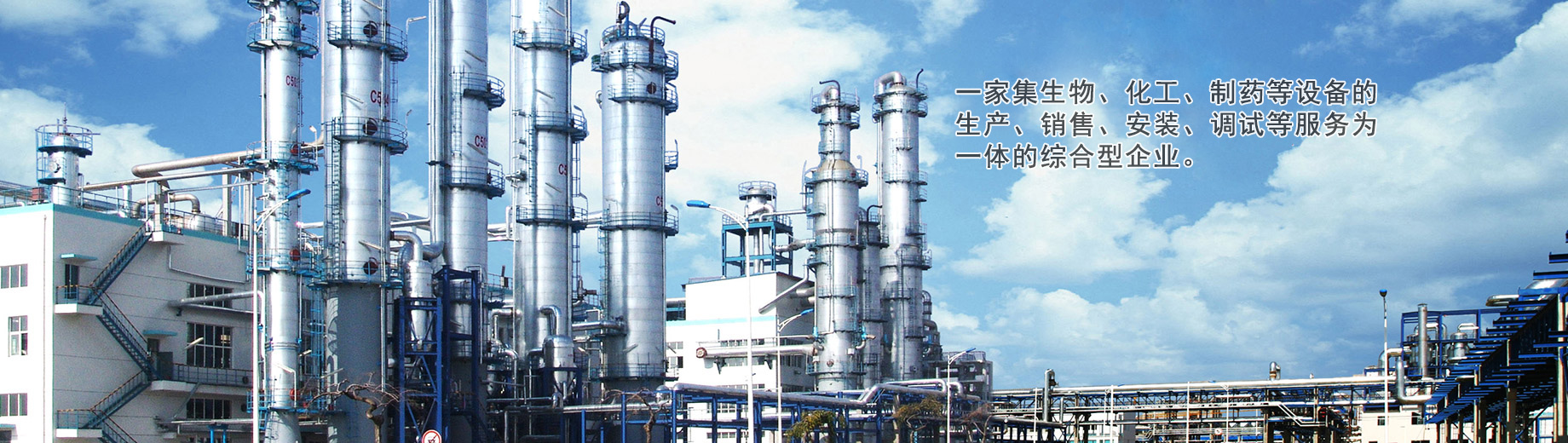
- Distillation column/Distillation column
- JHSeries alcohol recovery tower
- Fermentation tank
- seed jar
- Reactor, resin complete equipment
- Stainless steel reactor
- Electric heating reactor
- steam/Thermal oil heating reactor
- Outer disk half-tube reactor
- Multifunctional dispersing kettle
- Unsaturated resin equipment
- Heat exchange and condensation equipment
- Spiral plate heat exchanger
- Tube and tube heat exchangers, condensers
- Evaporation equipment, slicer series
- Scraper thin film evaporator
- Condensation crystallization slicer
- Vacuum rake dryer
热门新闻
- · Hydraulic Cylinder Barrel — Material Science, Manufacturing, And Precision Engineering | Wuxi Xinluo Hydraulic
- · Overview and Professional Advantages of Laboratory Ceramic Nano Ball Mill
- · Square Finned Tubes: Innovative Heat Transfer Components for Industrial Thermal Management
- · Bead Mill vs Sand Mill vs Ball Mill: 2026 Industrial Grinding Comparison
- · Piezoresistive Sensors: Working Principle, Application Fields, And Advantages Analysis
- · Profile Grinding Machine (Contour Grinder): Working Principle, Types & Applications